
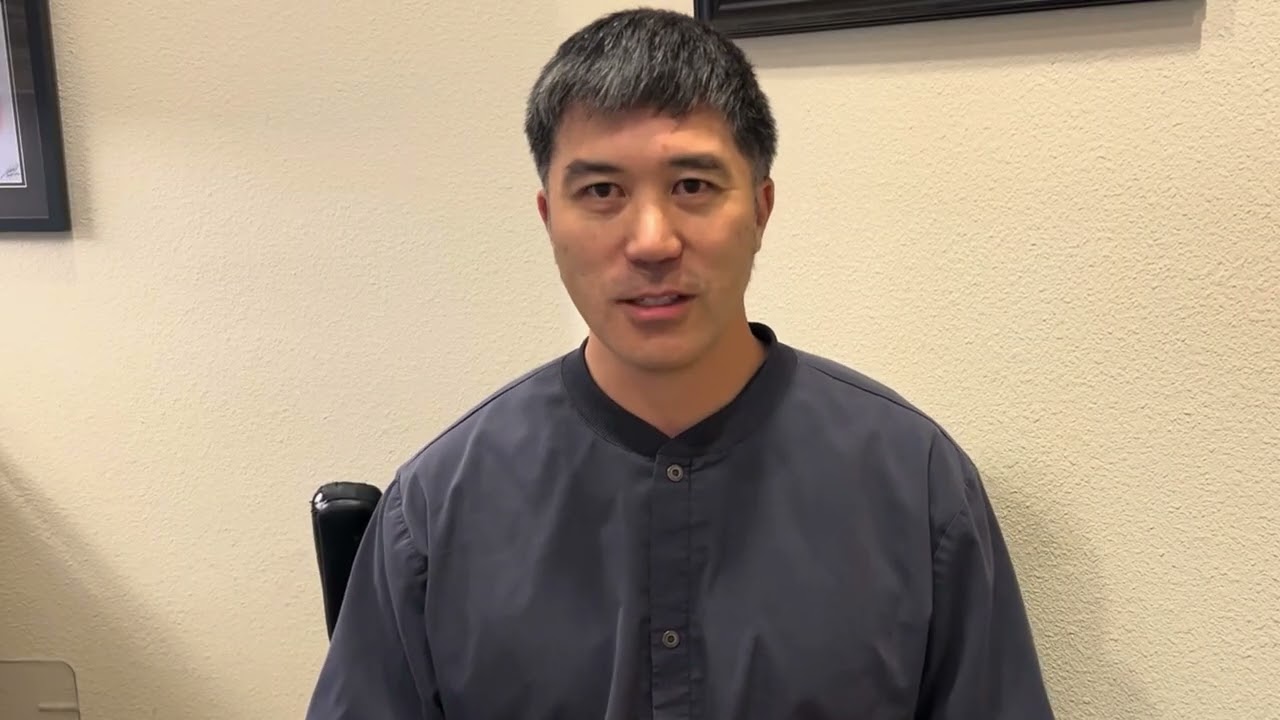
What is sedation dentistry?
Sedation dentistry is something we offer for patients who may have difficulty dealing with certain aspects of dental care. One common issue is dental fear and anxiety. Many people come to us feeling anxious or scared about procedures such as fillings, dental crowns, dental implants, extractions, and root canals.
Honestly, it doesn't matter what the procedure is; sometimes, they just feel anxious or fearful and need help to get through it. That's where sedation dentistry comes in. It involves giving you, as the patient, either medication, laughing gas, or other means to decrease your awareness of the situation and make things more comfortable for you.
What are the different levels of sedation dentistry?
There are a couple of different levels of sedation dentistry.
- The first level is laughing gas or nitrous oxide.
- The next level is oral conscious sedation, which involves giving you medications in pill form, often used in conjunction with laughing gas.
- The next level would be IV or intravenous sedation, where medication is injected directly into your bloodstream, sometimes combined with oral conscious sedation and nitrous oxide.
- The highest level of sedation is general anesthesia, similar to what you get in a hospital.
We do not offer general anesthesia or IV sedation here at Crown Dentistry. We offer nitrous oxide and oral conscious sedation.
How does sedation dentistry work?
One of the great things about sedation dentistry is that the medication decreases your awareness of the surroundings, which is beneficial if you're fearful or anxious about dental procedures.
Another excellent aspect of sedation dentistry is that the medication can cause some amnesia. You might not remember what happened during your visit. Often, people will take the sedation medication, remember coming to our office and sitting down, and then the next thing they recall is waking up in their car or at home, with everything in between either fuzzy or forgotten.
What is nitrous oxide?
The first level of dental sedation uses nitrous oxide, also called laughing gas. We use this as an introduction for people unsure about sedation dentistry but who want something to help them through procedures. The nice thing about nitrous oxide is that it's relatively easy to use. You don't necessarily need a driver to transport you to and from the dental office. It takes effect quickly and also wears off quickly. We need about 10 to 15 minutes to administer it, and once the procedure is done, you just breathe oxygen to clear the nitrous oxide from your system, allowing you to function normally again.
What is oral conscious sedation?
The next level of sedation dentistry is oral conscious sedation. It involves taking medication before coming into the office and receiving more medication by mouth once you're here. This provides a deeper level of sedation, making you more comfortable during dental procedures. It can also cause a level of amnesia, so you don't remember the procedure. You will need a driver to take you to and from the office because it's not safe for you to drive. This should be planned beforehand.
What are the other levels of dental sedation?
The other levels of dental sedation not performed in our office are IV or intravenous sedation and general anesthesia. These are performed by other practitioners, often oral surgeons, during procedures such as wisdom tooth extractions. We do not perform these levels of dental sedation at Crown Dentistry.
How does oral conscious sedation compare to general anesthesia?
Oral conscious sedation is definitely safer. The level of sedation we aim to achieve is much lower than with general anesthesia. Another key difference is that during oral conscious sedation, you're still breathing on your own.
With general anesthesia, you're intubated, and machines and personnel, such as an anesthesiologist, monitor your breathing. Oral conscious sedation allows you to breathe independently, even if you alternate between sleep and wakefulness. Oral surgeons typically use a combination of IV sedation or general anesthesia, depending on the procedure.
What can I expect with oral conscious sedation?
If you choose oral conscious sedation, it's a great way to manage dental fear and anxiety. You'll start by taking medication the night before the procedure, then more medication about an hour before on the day of the procedure. A companion will drive you to our practice, and we will assist you into the office if you're groggy.
Once you're in the chair, we'll start you on laughing gas to relax you. Combined with the medication, this will increase your sedation level. Once you're comfortable, we'll proceed with the procedure, using local anesthesia as needed. If necessary, we'll administer more medication to maintain your comfort. When the procedure is finished, we'll flush the nitrous oxide from your body with oxygen. You'll be awake enough to leave safely, and we'll give your companion post-operative instructions.
For more information, check out our blog on Oral Conscious Sedation.
Do I need sedation for tooth extraction?
Some people feel that they need sedation for a tooth extraction, but it's not necessary. We routinely extract teeth using only local anesthesia, numbing the area while you remain conscious. However, if you're anxious or scared, we can use dental sedation to help make the procedure smoother and easier for you.
Will I fall asleep during dental sedation?
I don't promise that patients will fall asleep under dental sedation, although it does sometimes happen. Typically, patients alternate between sleep and wakefulness during the procedure. Our main goal is your comfort. If you need more sedation, we'll provide additional medication to ensure you're comfortable before continuing.
Is dental sedation painful?
Patients often ask if the procedure will be painful. I never promise pain-free treatment, but our team does its best to make your experience as comfortable and pain-free as possible. While there may be some discomfort, dental sedation helps us deliver "pain-free" dentistry more effectively, which is our goal.
Is sedation dentistry safe?
Sedation dentistry is generally safe. The main considerations are your current health status and any medical conditions or medications you're taking. We need to ensure there are no harmful drug interactions and that everything we give you is safe.
How can I learn more about sedation dentistry?
If you think dental sedation could help with your fear or anxiety, we're here to discuss your options and determine if it's right for you. Please speak to our staff to set up a conversation.
If you’re ready to schedule an exam or would like to learn more about our services, we’d love to hear from you. Call us at (916) 848-2145 or email [email protected]. We look forward to caring for your smile.